Key takeaways
- Whether you can end a tenancy to sell depends on when it started and whether you are a small or large landlord.
- For tenancies created from 1 March 2026, a landlord with 4 or more tenancies, or any company, cannot end a tenancy to sell. The sale has to be with the tenant in place.
- A landlord with 1 to 3 tenancies can sell during the 6 year cycle only to avoid undue hardship, and freely at the end of it.
- Selling within 4 years of the first year you claimed the landlord tax relief can claw it back. Run that against the new 31% CGT rate before you decide.
Can I still sell my rental property? With Capital Gains Tax down to 31% since 7 October, a lot of smaller landlords are asking that question with a date in mind.
The answer has become a “depends”, and it depends on two facts. When the tenancy began, and how many tenancies you hold. Get either one wrong and the notice of termination is invalid, which in practice costs you six months or more.
This walks through the rules from the RTB’s own landlord guidance, then the tax sums that go with a sale. If you only read one section, read the one on the clawback.
Tenancies created before 1 March 2026
If the tenancy began before 1 March 2026, the older rules still apply to it, and they are simpler. Any landlord, large or small, can end the tenancy if they intend to sell the property within 9 months of the termination date.
There is one extra route for the oldest tenancies. If the tenancy was created before 11 June 2022, a landlord can end it for any reason at the end of a Part 4 or further Part 4 term. Most landlords selling in the next year or two will be dealing with tenancies in this group.
Large landlords and companies after 1 March 2026
For a tenancy created on or after 1 March 2026, a landlord with 4 or more tenancies, or any company, can only end it for two reasons after the first 6 months. The tenant has breached their obligations, or the property no longer suits the tenant’s needs. Sale is not one of them.
The RTB counts any company as a large landlord, however few properties it owns. So a single flat held in a company falls on this side of the line. A large landlord can still sell, but the buyer takes the property with the tenant in it.
If you are close to the line, count carefully. Moving from 3 tenancies to 4 changes the rules for every tenancy you create after that. Our post on large versus small landlords goes through how the count works.
Small landlords: the hardship test
A landlord with 1 to 3 tenancies has more room, but not much during the cycle. Every new tenancy runs a 6 year tenancy of minimum duration. Inside that cycle, a small landlord can end the tenancy to sell only to avoid undue financial or other hardship.
The RTB sets out when that applies. The landlord, their spouse or civil partner needs the sale proceeds for one of three things. To provide a home that will be their principal residence. To repay a legally owed debt in full, or pay at least 15% of the asking price toward one, within 9 months of the tenancy ending, which includes tax owed or a Fair Deal debt. Or following the appointment of a personal insolvency practitioner where there is an arrangement with creditors.
At the end of the 6 year cycle the hardship test falls away. A small landlord can then end the tenancy to sell, as well as for refurbishment, change of use or a family member moving in.
Selling 10 or more units in one development
There is a separate rule for portfolios. If a landlord intends to sell 10 or more tenanted units within the same development, the tenancies generally cannot be ended on the sale ground. The units go to the buyer with the tenants in place.
There are narrow exceptions, for example where selling with tenants in place would mean a price more than 20% below the vacant possession value and would be unduly onerous or cause undue hardship. That one needs a solicitor, not a blog post.
Serving the notice properly
Where sale is a valid ground, the notice of termination needs a statutory declaration confirming the intention to sell, on the RTB’s template for that reason. Download the right one from rtb.ie. A notice on the wrong template is the most common way these fail.
The notice period depends on how long the tenancy has run. It is 180 days for a tenancy of 1 to 7 years. The full table is on our notice of termination page.
A copy must go to the RTB within 7 days of serving it on the tenant. Since 14 September 2026 that has been the rule, replacing the old same day requirement. Late, and the notice is invalid.
The tax side: CGT and the clawback
Capital Gains Tax on residential property is 31% for disposals on or after 7 October 2026, down from 33%. On a EUR 100,000 gain that is EUR 2,000 less. Our Budget 2027 breakdown has the rest of the changes.
The landlord tax relief is where people get caught. If you claimed the Residential Premises Rental Income Relief and you sell within 4 years of the first year you claimed it, Revenue claws back every year you claimed. Revenue’s own example is a landlord who claimed for 2024, 2025 and 2026 and sells in 2027. All three years are repaid, up to EUR 2,400.
On a modest gain, that can cancel out the CGT cut. It is worth an hour with your accountant before you sign with an agent, not after.
How we handle this in Rentalize
Rentalize Core tracks Part 4 status and notice periods on every tenancy, so a property manager can see which tenancies can be ended on which ground, and when. That matters most for property management companies advising owners who want to sell.
If you manage a portfolio and want to see this on your own tenancies, you can book a 20-minute walkthrough or check pricing.
Questions
Can a landlord evict a tenant to sell a property in Ireland?
It depends on the tenancy. For tenancies created before 1 March 2026, any landlord can end the tenancy to sell within 9 months. For tenancies created from 1 March 2026, a landlord with 4 or more tenancies, or any company, cannot, and a small landlord can only do so to avoid undue hardship during the 6 year cycle.
Can I sell my rental property with a tenant in it?
Yes. A sale with the tenant in place is always possible. The tenancy continues with the buyer as the new landlord, on the same terms.
What counts as undue hardship for selling?
The landlord, spouse or civil partner needs the proceeds to provide their own principal residence, to repay a legally owed debt in full or pay at least 15% of the asking price toward one within 9 months, or following a personal insolvency arrangement.
How much notice do I give a tenant if I am selling?
It depends on how long the tenancy has run. It is 180 days for a tenancy of 1 to 7 years, and ranges from 90 to 224 days overall. A copy must go to the RTB within 7 days.
Will selling cost me the landlord tax relief?
It can. If you sell within 4 years of the first year you claimed the Residential Premises Rental Income Relief, Revenue claws back the relief for every year you claimed it.
Sources: Residential Tenancies Board, Ending a tenancy from 1 March 2026: a guide for landlords. Residential Tenancies Act 2004, sections 35A and 62 as amended. Revenue Tax and Duty Manual Part 15-03-04. Department of Finance, Budget 2027 Tax Policy Changes Summary. This is general information, not legal or tax advice.
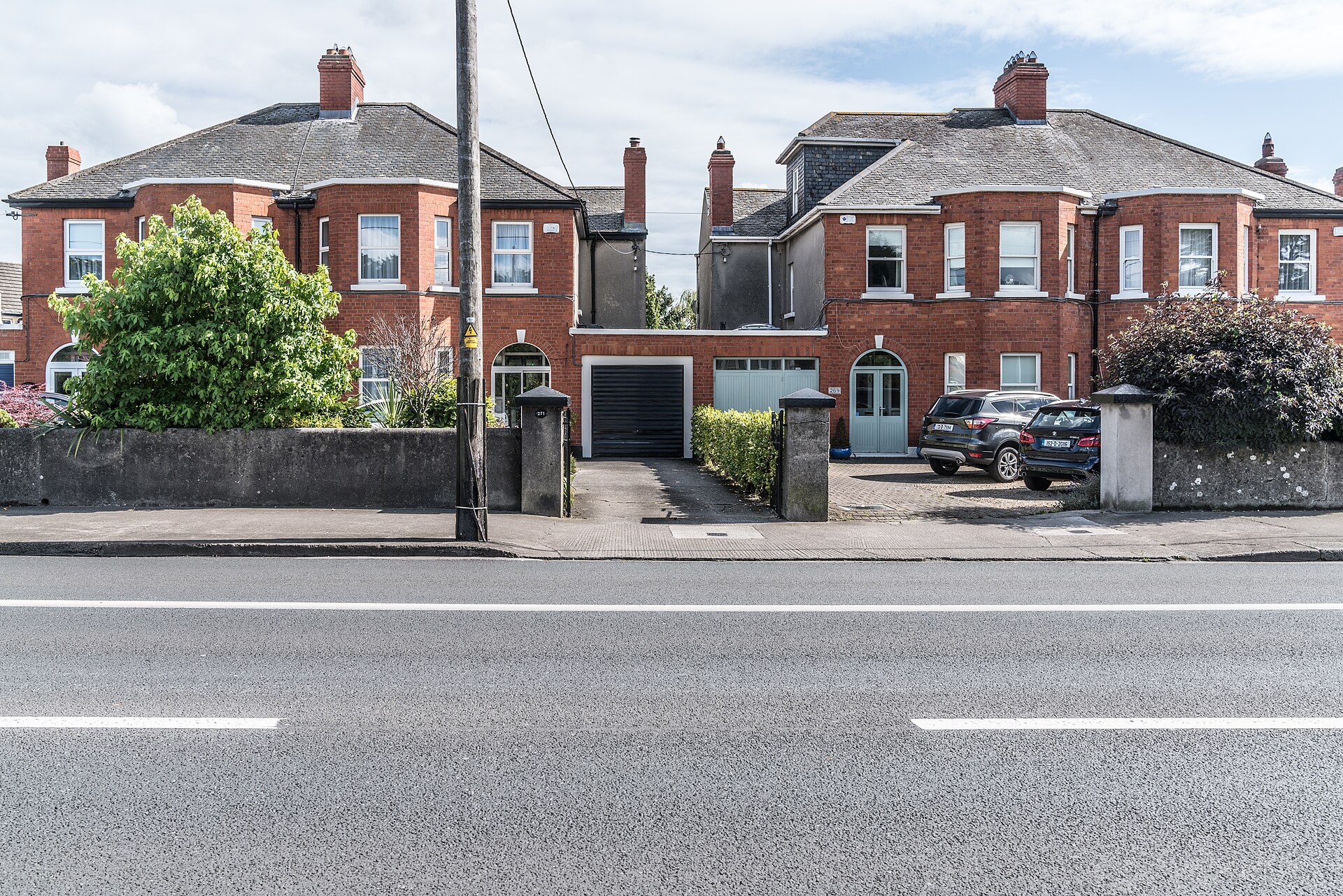
Photo: Killester, Dublin 3 by William Murphy, licensed CC BY-SA 2.0, via Wikimedia Commons.

 Property Management